


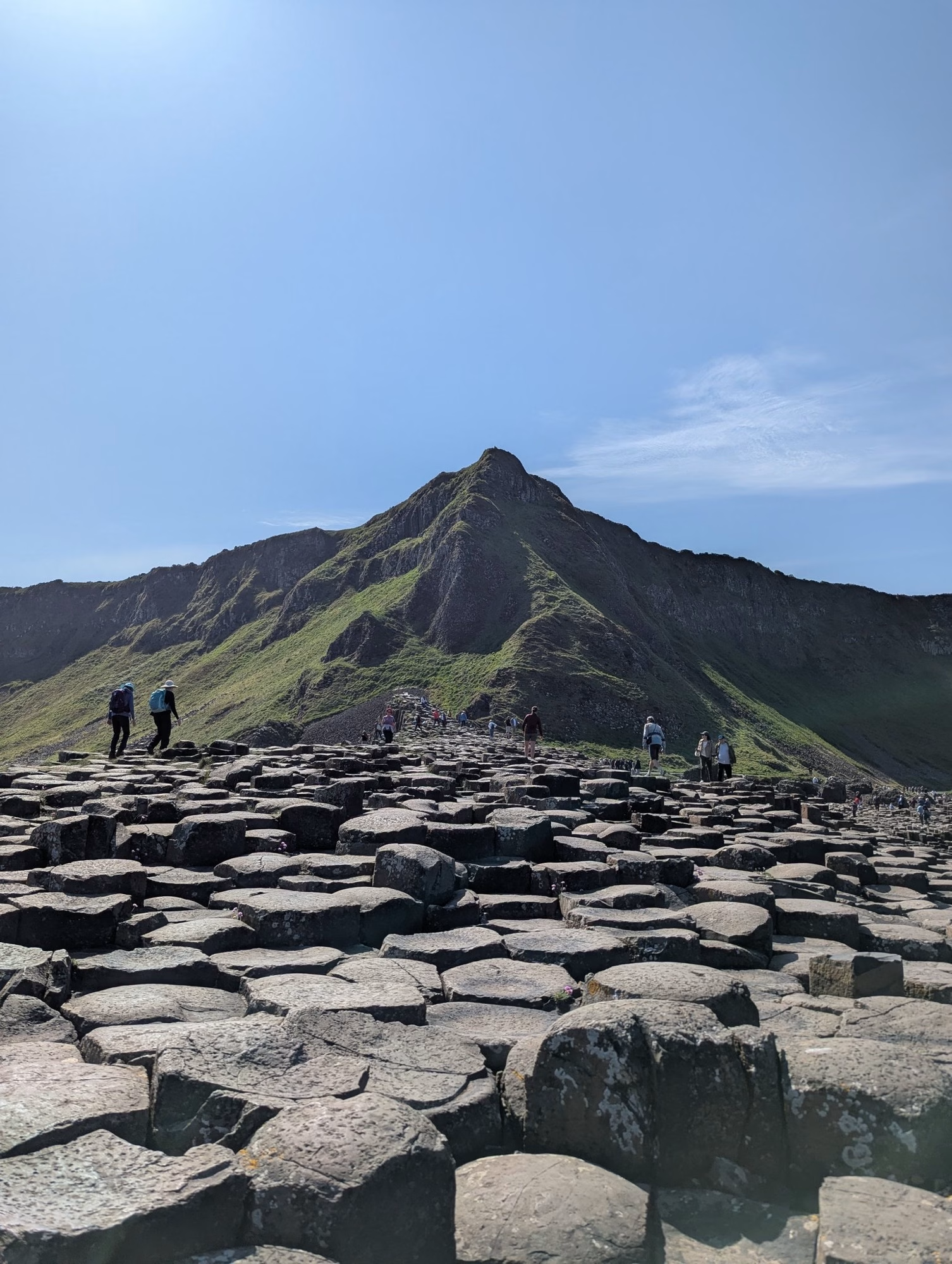

The Giant’s Causeway, one of Northern Ireland’s most iconic natural landmarks, is under growing threat—not from crashing waves or ancient volcanic activity, but from something far more human: coins wedged into its famous basalt columns.
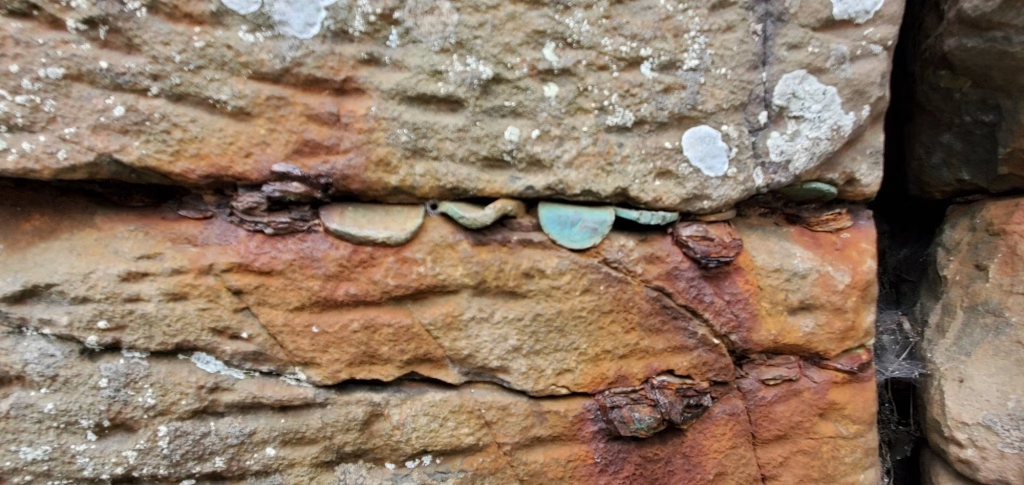
Once unnoticed, these coins are now a growing issue across the site, embedded in the cracks and crevices of the 60-million-year-old rock formations. While many tourists see it as a symbol of luck or love—similar to the “love locks” once attached to bridges in Paris—this trend is causing significant damage.
🪙 Why Are Coins a Problem at the Giant’s Causeway?
The National Trust, which manages the site, has observed a steady rise in the number of coins being inserted between the natural rock joints—particularly in areas like The Loom, a section of tall leaning basalt columns that differ in colour from the darker, hexagonal stones of the main causeway.
According to Dr Cliff Henry, Nature Engagement Officer at the National Trust, the issue is two-fold:
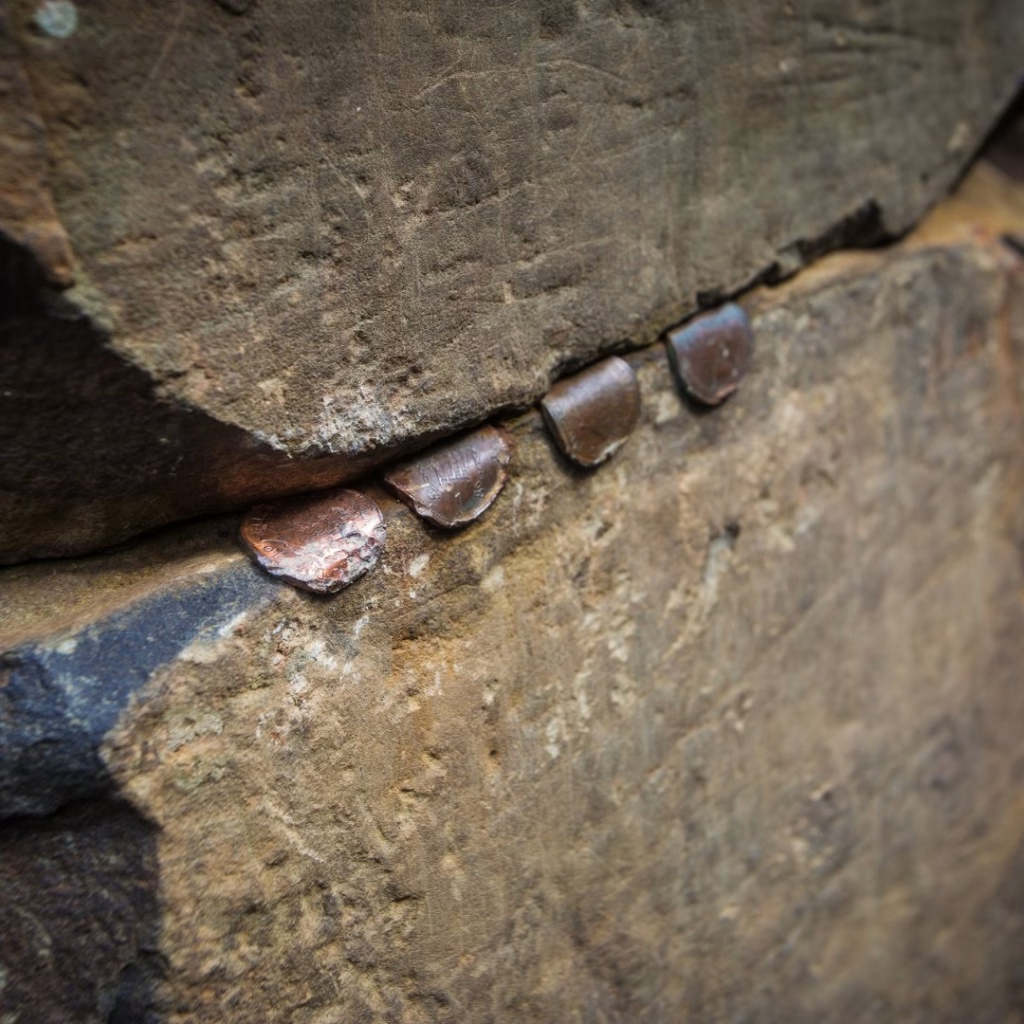
Physical damage: Visitors often hammer coins into the stone using other rocks, leading to chips and breakage. Chemical damage: Once lodged, coins begin to rust. In the damp coastal air, this happens quickly. The expanding metal puts pressure on the surrounding stone, often causing pieces to crack or break off.
“The rusting process also releases iron, nickel, and copper, leaving streaks of reddish-brown stains across the stone,” said Dr Henry. “This is visual pollution on a geological marvel that deserves protection.”
🔧 What’s Being Done to Protect the Site?
In response, the Geological Survey of Northern Ireland has advised the removal of the coins to prevent further chemical and structural damage. A professional stonemason has already begun the delicate work of extracting them, managing to safely remove around 10% so far without harming the rock surface.
“We want this to be done by trained professionals—not well-meaning visitors,” Dr Henry emphasised. Tour guides now warn against inserting coins, and signage will be added across the site.
📸 A Better Way to Leave a Mark
Mark Adams, a tour guide at the site, shared a simple alternative:
“If you want to leave something behind, take a photo and post it online. That memory lasts forever—and it doesn’t harm the landscape.”
With nearly 684,000 visits in 2023 and numbers rising again post-pandemic (approaching the pre-2019 peak of one million annual visitors), the importance of sustainable tourism has never been clearer.
🏞️ A UNESCO World Heritage Site Since 1986
Designated a UNESCO World Heritage Site, the Giant’s Causeway is internationally recognised for its geological and cultural significance. It is one of the most photographed and visited locations in Northern Ireland, contributing millions to the local economy.
Dr Henry put it plainly:
“The Giant’s Causeway is not just a natural wonder, it’s a symbol of our national identity. If we can’t protect this, what hope is there for preserving the rest of our heritage?”
Discover more from LoveBelfast
Subscribe to get the latest posts sent to your email.


